
July 8, 2026
A natural diamond is formed underground by nature over an extremely long period of time. Each stone is rare because of the natural conditions involved in its formation.
A laboratory-grown diamond is created in a controlled laboratory environment. It has the essential physical, chemical and optical characteristics of diamond, but its origin is different from a natural diamond.
So, the choice is not simply about appearance. It is about origin, rarity, price, sentiment, certification, resale expectations and what matters most to you personally.

One of the biggest practical differences is price.
Laboratory-grown diamond jewellery will often allow you to choose a larger stone or a higher specification for your budget. This can be especially appealing if you are looking for a larger centre stone in an engagement ring, a higher total carat weight in a diamond line bracelet, or a more noticeable diamond pendant.
Natural diamond jewellery is typically more expensive like-for-like because natural diamonds are rarer and formed by nature. For many people, that natural rarity is a major part of the appeal.
A simple way to think about it is this: if size and specification are your main priorities, laboratory-grown diamond jewellery may be worth considering. If natural origin, rarity and tradition matter more to you, natural diamond jewellery may feel like the better choice.

Whether you choose natural diamond jewellery or laboratory-grown diamond jewellery, certification is important.
A diamond certificate gives you independent information about the stone, including details such as:
Carat weight
Colour grade
Clarity grade
Cut grade
Measurements
Diamond type
Certificate number
For engagement rings and larger diamond pieces, we would usually recommend looking for a certified diamond where possible. Certification helps you understand exactly what you are buying and makes it easier to compare different options fairly.
At Charles Nobel, we can talk you through the certificate and explain what the grades mean in plain English.
Natural diamond jewellery carries a sense of rarity and tradition that many people find meaningful. For some customers, knowing that the diamond was formed naturally adds romance and significance to the piece.
Laboratory-grown diamond jewellery can also be deeply sentimental. A proposal, anniversary gift or special bracelet does not become less meaningful because the diamond is laboratory-grown. The emotion comes from the person, the occasion and the jewellery itself.
This is where personal preference matters most. Some customers love the tradition and rarity of a natural diamond. Others prefer the larger size or higher specification that a laboratory-grown diamond can offer for the same budget.
Both choices can be beautiful. They simply suit different priorities.
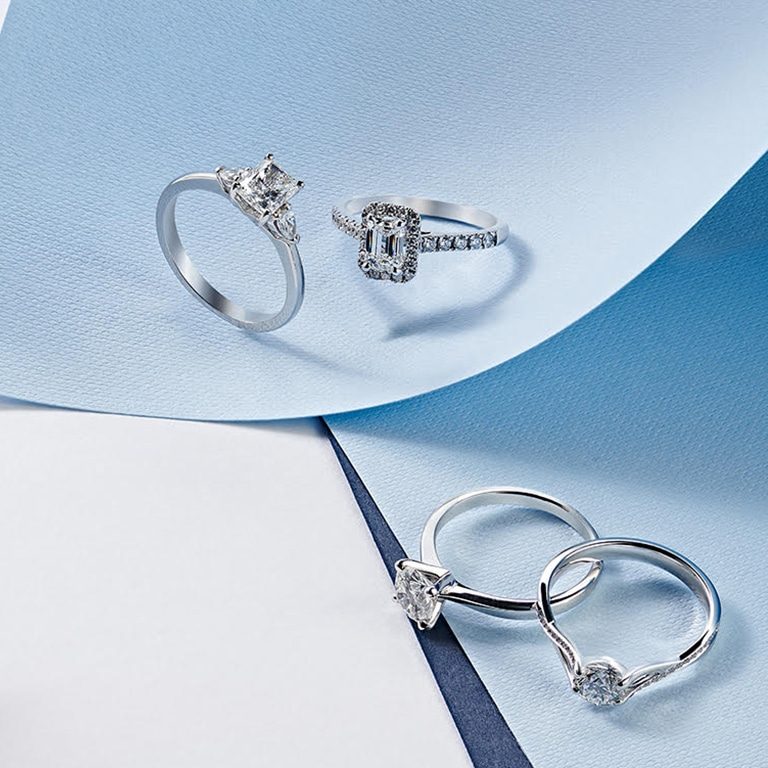
For engagement rings, the decision often comes down to budget, size and personal feeling.
A laboratory-grown diamond engagement ring may allow you to choose a larger centre stone or a higher colour and clarity grade. This can be appealing if you want maximum visual impact for your budget.
A natural diamond engagement ring may appeal more if rarity, tradition and natural origin are important to you.
When choosing an engagement ring, it is worth considering:
How important is diamond size?
Would you prefer natural origin?
Is certification important to you?
Do you have a particular diamond shape in mind?
Would you like the ring to sit neatly with a wedding ring?
How do you feel about long-term resale expectations?
There is no wrong choice. The best ring is the one that feels right for the person wearing it.

Diamond line bracelets, often called tennis bracelets, are a good example of where laboratory-grown and natural diamond options can offer quite different choices.
With a laboratory-grown diamond bracelet, you may be able to achieve a larger total carat weight for your budget. This can make a noticeable difference across the whole bracelet, especially in designs with many matching stones.
With a natural diamond bracelet, the appeal is often in the rarity, tradition and long-established value of the stones. Natural diamond line bracelets remain a classic choice and are often bought to mark major birthdays, anniversaries or family occasions.
When comparing bracelets, it is worth looking at:
Total diamond weight
Stone size
Metal type
Clasp style
Bracelet length
Diamond colour and clarity
Certification or valuation details
Future servicing and aftercare
A bracelet is worn differently from a ring, so comfort, security and aftercare are especially important.
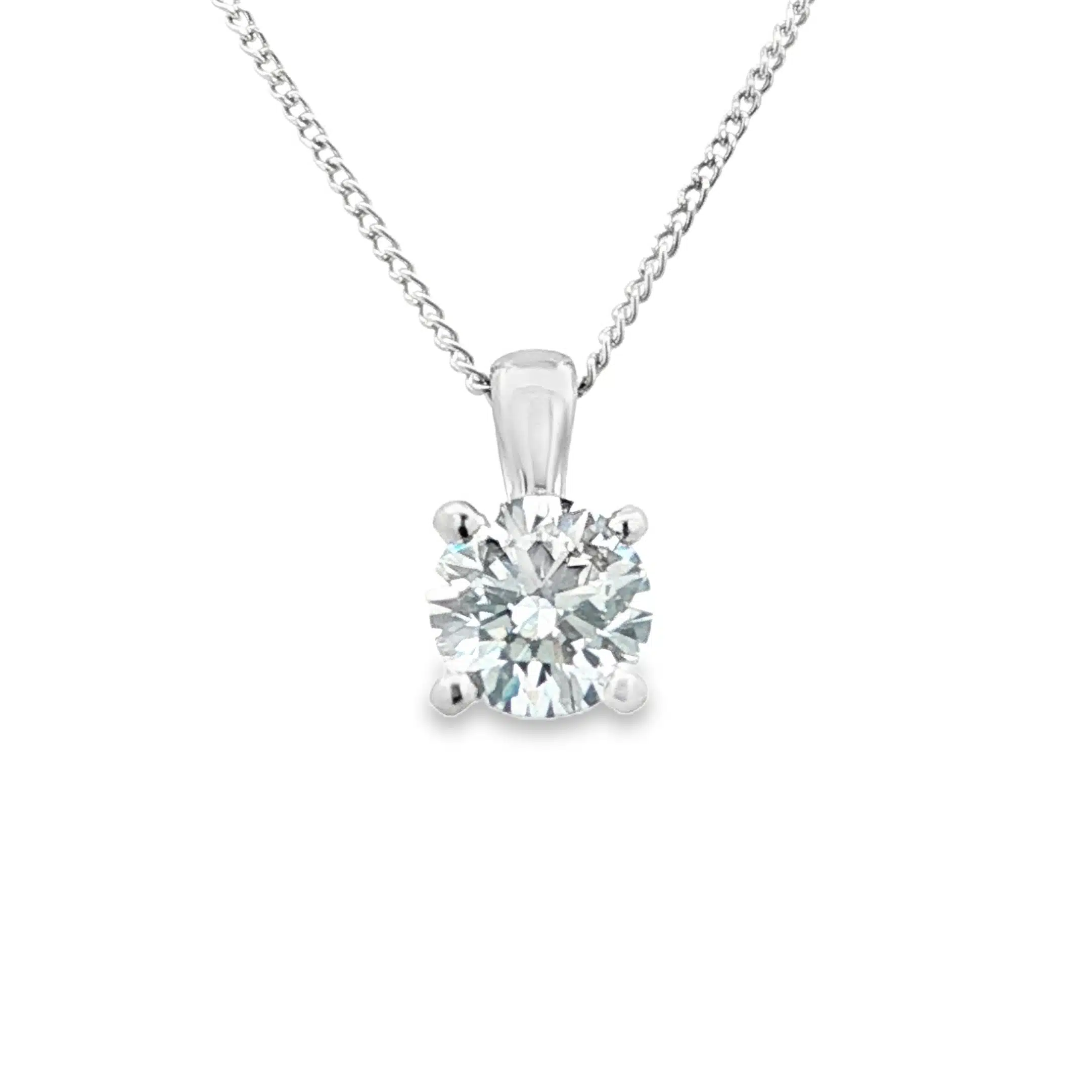
For diamond pendants, both natural diamond and laboratory-grown diamond options can work beautifully.
A laboratory-grown diamond pendant can be a strong choice if you want a larger single stone or a more eye-catching look for your budget. A natural diamond pendant may be preferred if you want a traditional piece with natural rarity and classic appeal.
Pendants are often bought as gifts, so sentiment plays a big part. The right choice may depend on the occasion, the wearer’s style and how often the piece will be worn.

Diamond earrings are another area where the choice between natural diamond and laboratory-grown diamond jewellery can make a noticeable difference.
With laboratory-grown diamond earrings, you may be able to choose a larger total diamond weight or a higher specification for your budget. This can be especially appealing for classic diamond studs, where even a small increase in millimetre size can make a visible difference when worn.
Natural diamond earrings may appeal more if you are looking for a traditional pair with natural rarity and long-established appeal. They can be a lovely choice for milestone gifts, anniversaries, birthdays or pieces that may be passed down in the future.
Aftercare is important whichever type of diamond jewellery you choose.
Natural diamonds and laboratory-grown diamonds are both durable, but the settings, claws, chains, clasps and metal still need care. We always recommend having jewellery checked regularly, especially rings and bracelets that are worn often.
At Charles Nobel, we can help with cleaning, checking claws, inspecting bracelet clasps, resizing rings where suitable, and advising on repairs or maintenance.
A well-made piece of diamond jewellery should be looked after over time, whether it contains a natural diamond or a laboratory-grown diamond.
Laboratory-grown diamond jewellery may suit you if your priorities are:
A larger diamond for your budget
Higher specification at a more accessible price
A modern alternative to natural diamond jewellery
Strong visual impact for the size
Natural diamond jewellery may suit you if your priorities are:
Natural rarity
Tradition
Long-established market recognition
Sentiment attached to a naturally formed diamond
A classic choice for significant pieces
Both natural diamond jewellery and laboratory-grown diamond jewellery can be beautiful choices. They simply suit different priorities.
The best way to choose is to compare them side by side, ask questions and think about what matters most to you.
At Charles Nobel, we are always happy to guide you through the options, whether you are choosing an engagement ring, diamond line bracelet, pendant or another special piece of jewellery.

Book a Consultation
If you need assistance finding the perfect gift or selecting your engagement ring, our experts are always here to help you.
